When to Do Fall Cleanup on Cape Cod (2026)
By Jim | Lawn Care Tips
The short answer: on Cape Cod, most fall cleanups happen between late October and mid-November, after most leaves have dropped but before the ground freezes. Bigger properties with a lot of trees often need two passes as the leaves come down in waves.
There’s a right time for fall cleanup, and it’s not always “whenever the leaves stop falling.” On the Cape, our shoulder-season weather — warm days, cool nights, salt air, and a later frost than the mainland — means timing your cleanup wrong can undo a whole season of lawn care. Here’s how to think about it property by property.
Why Timing Matters More Here Than Inland
Cape Cod’s growing season runs longer than most of New England, thanks to the moderating effect of the water on both sides of the peninsula. That’s good news for your lawn — it means grass roots are still actively growing well after inland towns have gone dormant. But it also means a lot of homeowners pull the trigger on cleanup too early, missing weeks of root development that would’ve carried the lawn through winter.
The short version: don’t let the calendar decide for you. Let the grass and the trees decide.
The Three Signals to Watch
1. Leaf drop, not leaf color. Colorful leaves aren’t a signal to clean up — leaves still gripping the branch are still feeding the tree. Wait until the majority have actually dropped, which on the Mid-Cape typically runs into early-to-mid November depending on the year and tree species.
2. Grass growth rate. As long as your lawn is still visibly growing, it’s still worth one more mowing at a slightly lower height before winter. Once growth all but stops, that’s your cue for final cleanup, not before.
3. First hard frost, not first frost warning. A light frost warning doesn’t mean much. A hard frost — one that actually blackens tender plants — is the real signal that root systems are shutting down for the season and it’s safe to do deep bed cleanup without disturbing anything still active.
What “Fall Cleanup” Actually Covers
For anyone unfamiliar with the full scope, a proper Cape Cod fall cleanup typically includes:
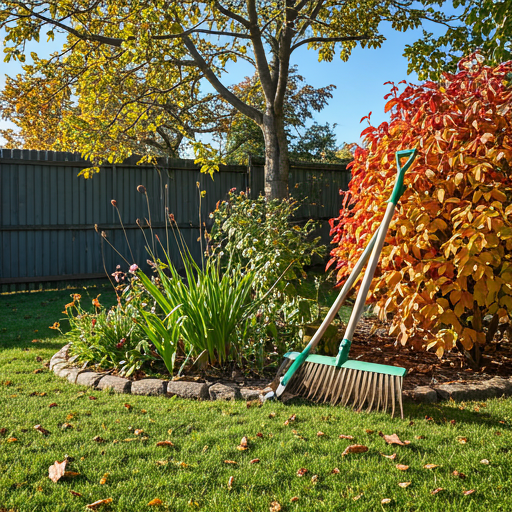
- Full leaf removal from lawns and beds
- Final mowing at a lower height to prevent matting under snow
- Bed edging and cleanup ahead of winter
- Cutting back perennials that have finished their season
- Pruning select shrubs and trees (timing depends on species — some prefer late winter instead)
- Clearing debris that could smother grass or invite pests over winter
A Rough Timeline for the Mid-Cape
- Late September–October: Keep mowing, keep watering if it’s dry, hold off on major cleanup
- Late October–mid-November: Leaf volume typically peaks; this is prime cleanup window for most properties
- After first hard frost: Final bed cutbacks and any remaining debris removal
Every property is different — shade, tree species, and exposure to wind all shift this timeline earlier or later. A property tucked into the trees in Brewster clears leaves on a different schedule than an open, wind-exposed lot in Chatham.
Why Doing It Too Early Backfires
Cleaning up too soon means:
- Cutting the grass short before it’s done growing, which weakens roots heading into winter
- Removing leaf cover that would’ve broken down and fed the soil
- Missing a second or third wave of leaf drop, meaning you pay for cleanup twice
Why Waiting Too Long Backfires Too
On the other side, waiting past the first hard frost risks:
- Matted, wet leaves smothering grass and inviting snow mold
- Debris freezing in place, making it harder (and pricier) to remove
- Losing the window for certain fall pruning tasks before winter dormancy sets in
The Simple Rule of Thumb
If your lawn is still growing and most leaves are still on the trees, it’s too early. If you’ve had a hard frost and the trees are bare, it’s time. Everything in between is a judgment call best made property by property — which is exactly why a lot of homeowners let us handle the timing instead of guessing.
Ready to get your fall cleanup on the right schedule? Get a free fall cleanup quote or call (508) 398-8151.
— The Sears Landscaping Team John G. Sears & Son Landscaping | Est. 1931 | Cape Cod, MA