Getting Your Cape Property Ready for Plow Season
Jim · Est. 1931
The forecast changes, the first snowstorm is approaching, and suddenly everyone is calling for a plow. Routes fill up, availability gets tight, and homeowners are left scrambling.
It’s not the best time to introduce a plow operator to your property. They may not know where your driveway ends, which shrubs need protection, or where the snow can safely be piled.
On Cape Cod, preparation matters even more. Heavy, wet snow, coastal winds, and fluctuating winter temperatures make snow removal more complicated than simply pushing snow out of the way. Seasonal homes add another challenge when nobody is around to prepare the property or check on conditions after a storm.
A little work in the fall can make winter snow removal easier and help protect your driveway, lawn, and landscaping. Here’s what to do before the first storm arrives.
Your 15-Minute Driveway Prep Checklist
Walk your driveway before winter and identify anything that could become a problem once it’s covered in snow.
Mark Your Driveway Edges
When several inches of snow cover the ground, the difference between pavement, lawn, and a planting bed can disappear.
Install reflective driveway markers along both sides of the driveway, especially near:
- Curves and narrow sections
- Turnarounds and parking areas
- Culverts and drainage features
- Stone borders and landscape beds
- Areas where pavement meets gravel or lawn
Choose markers tall enough to remain visible above the expected snow cover. Push them securely into the ground before it freezes, and check them periodically throughout the season. Cape Cod’s sandy soil makes markers easy to install, but strong coastal winds and repeated freezing and thawing can loosen them.
Remove Obstacles Along the Driveway
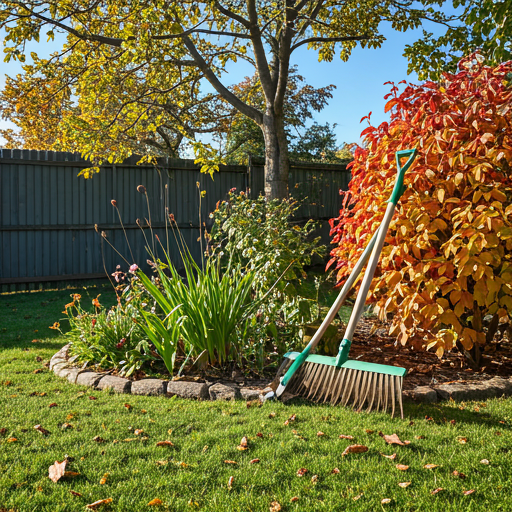
Walk the edges and move anything a plow blade could catch: garden hoses, planters, lawn furniture, children’s toys, decorations, and loose edging stones.
Pay particular attention to objects that are visible now but will disappear under a few inches of snow. Plow operators frequently work overnight and in poor visibility. A clear, well-marked driveway helps them work more efficiently and reduces the risk of accidental damage.
If your Cape Cod home sits empty during winter, complete this checklist before your last visit of the season.
Protect Your Driveway and Landscaping Before Winter
Inspect the Driveway Surface
Look for potholes, uneven pavement, loose pavers, and damaged edges. Low spots that collect water can freeze into uneven patches, while loose materials may be caught by a plow blade.
If you have a gravel or crushed-shell driveway, rake out deep ruts and replace material where the surface has worn thin. These driveways need special attention because a plow can pick up loose stone or shell, particularly before the ground freezes. Tell your snow removal provider what type of surface you have so they can adjust their approach and equipment.
Trim Overhanging Branches
Branches that extend over a driveway can interfere with plow trucks, especially when weighed down by wet snow or ice. Fall is a good time to inspect trees along driveways and access roads for low-hanging, damaged, or weakened branches.
For large branches, damaged trees, or work near power lines, contact a qualified tree professional rather than attempting the work yourself.
Protect Shrubs Near the Driveway
Coastal winds carry salt spray inland, while snow pushed from roads and driveways can contain deicing salt. Heavy snow piles can also bend or break branches, particularly on young or upright shrubs.
Helpful measures include:
- Installing properly supported burlap screens to reduce wind and salt-spray exposure
- Loosely securing suitable upright evergreens to limit snow-related branch spreading
- Keeping plowed snow away from vulnerable shrubs and planting beds
- Avoiding unnecessary salt applications near sensitive plants
Burlap screens should be installed with adequate clearance from the foliage. If the same shrubs suffer winter damage year after year, consider whether a more salt-tolerant or wind-resistant plant would be better suited to that location.
Decide Where the Snow Will Go
This is one of the most overlooked parts of preparing for snow plowing.
Identify areas where snow can safely accumulate without blocking access or damaging your property. Avoid locations where piles would cover:
- Shrubs and landscaped beds
- Mailboxes or utility equipment
- Septic system components and access covers
- Drainage areas and stormwater outlets
- Walkways, steps, or emergency access routes
Think about what happens when the snow melts. Water should drain without flowing toward the foundation or across areas that may refreeze.
Discuss snow pile locations with your plow operator before the first storm. A quick property walkthrough or simple sketch can prevent problems later.
Also check with your town’s highway department about local rules. Do not assume snow can be pushed into a public roadway—many towns prohibit it because it creates hazards for drivers and pedestrians.
What Makes Snow Removal Different on Cape Cod?
Cape Cod winters aren’t always defined by deep snowfall. Some of the most challenging conditions come from the combination of moisture, wind, and changing temperatures.
Heavy, wet snow is common when rain changes to snow or temperatures hover near freezing. It is harder to move than light powder and places more weight on shrubs, branches, and landscape features. Clearing it before it becomes compacted or frozen makes a significant difference.
Freeze-thaw cycles often turn water and slush into a hard, uneven surface that is difficult to remove with a plow alone. Ask your provider how they handle mixed precipitation and refreezing. Snow plowing and ice management are not always the same service—salting, sanding, and additional visits may be handled separately.
Coastal winds can drift snow back across a cleared driveway, especially on open properties. Let your operator know where drifting typically occurs and ask how return visits are handled.
Salt can damage nearby plants through direct contact, spray, and runoff. When planning snow pile locations, consider where salt-containing meltwater will travel and keep piles away from sensitive planting beds.
Seasonal Homes Need a Plan Before Winter
If your Cape Cod home is unoccupied during the winter, arrange snow removal before you leave. Confirm who is authorized to request service, who the provider should contact if a problem arises, and whether someone will inspect the property after a storm. Establish how the driveway will be accessed and whether any gates, vehicles, or other obstacles need to be addressed.
Don’t assume your snow removal provider also performs property inspections unless that service has been specifically arranged.
Per-Push vs. Seasonal Snow Removal Contracts
Per-push pricing bills you for individual plowing visits. It can work if you use the driveway infrequently or have flexibility during storms. A mild winter may mean fewer charges; a winter with frequent storms can cost more. Availability and priority depend on the provider—some companies focus on seasonal routes and may not accept additional requests during major storms. Ask whether visits must be requested or are automatically triggered by snowfall.
Seasonal contracts establish the arrangement before winter begins. Your property is already included in a planned service route, which makes budgeting easier and is especially valuable for homeowners who travel or leave homes unoccupied. Not all seasonal contracts cover the same services—trigger depths, additional visits, ice management, and service areas can vary.
What Should Be Included in a Snow Removal Agreement?
Before signing, make sure you understand:
- Snowfall trigger (how much snow must accumulate before service begins)
- Service timing and any response-time expectations
- Whether the driveway receives multiple passes during a long storm
- Clearing of snow left by municipal plows at the driveway entrance
- Whether walkways and steps are included
- Ice management (salting/sanding) and how it is billed
- Where snow will be piled and what happens if those areas fill up
- Whether return trips are included or billed separately
A clear written agreement helps both the homeowner and the operator know what to expect.
Why Booking Early Matters
A plow truck can only cover so many properties during a storm. Operators build routes around geography, equipment capacity, and customer requirements. Once a route reaches capacity, additional properties may not be accepted.
Arranging service in the fall gives you time to discuss your driveway, review the agreement, and prepare the property before winter weather arrives.
Snow Plowing on Cape Cod: Frequently Asked Questions
When should I arrange snow plowing service?
Fall is the best time—before the first winter storm is forecast. This allows time for an estimate, a property review, and any necessary driveway preparation.
What does a snow plowing estimate include?
Providers typically consider driveway length, width, slope, turnarounds, surface material, obstacles, and available snow storage areas. Ask for a written estimate that explains the pricing structure, services included, snowfall trigger, and any additional charges.
Will my driveway be cleared during the storm or after it ends?
It depends on the provider, the storm, and your agreement. Some operators make multiple passes during prolonged storms; others focus on clearing after snowfall slows or ends. Ask how your provider handles extended snowfall and whether additional visits are included.
What happens when a town plow pushes snow back into my driveway?
Municipal plows can leave a heavy ridge of snow and slush across the entrance, sometimes after it has already been cleared. These snowbanks can freeze and become difficult to remove. Ask whether clearing the driveway entrance after municipal plows pass is included and how return visits are handled.
What if snowfall is below the contract’s trigger depth?
Service may not occur automatically. Some providers allow customers to request an additional visit, potentially for an extra charge. Confirm those terms before winter, especially if your driveway is prone to icing or drifting.
How is snow removal handled at an unoccupied home?
With a prearranged service plan, the operator can follow the terms of your agreement without waiting for someone to be on the property. Make sure your provider has a reliable contact person and understands any access restrictions or areas requiring special attention. Arrange property inspections separately unless they are expressly included.
Get Your Cape Cod Property Ready Before Winter
The best time to arrange snow removal is before the first storm is in the forecast. That gives you time to identify driveway hazards, protect vulnerable landscaping, discuss where snow should be piled, and understand how your property will be serviced throughout the winter.
John G. Sears & Son Landscaping has cared for Cape Cod properties since 1931. We understand the challenges local winters bring—from heavy, wet snow and coastal winds to freezing temperatures and changing storm conditions.
Planning ahead for winter?
Contact John G. Sears & Son Landscaping to discuss seasonal snow removal for your property and request an estimate before winter routes fill.
Call (508) 398-8151 or visit searslandscapingcapecod.com to get started.